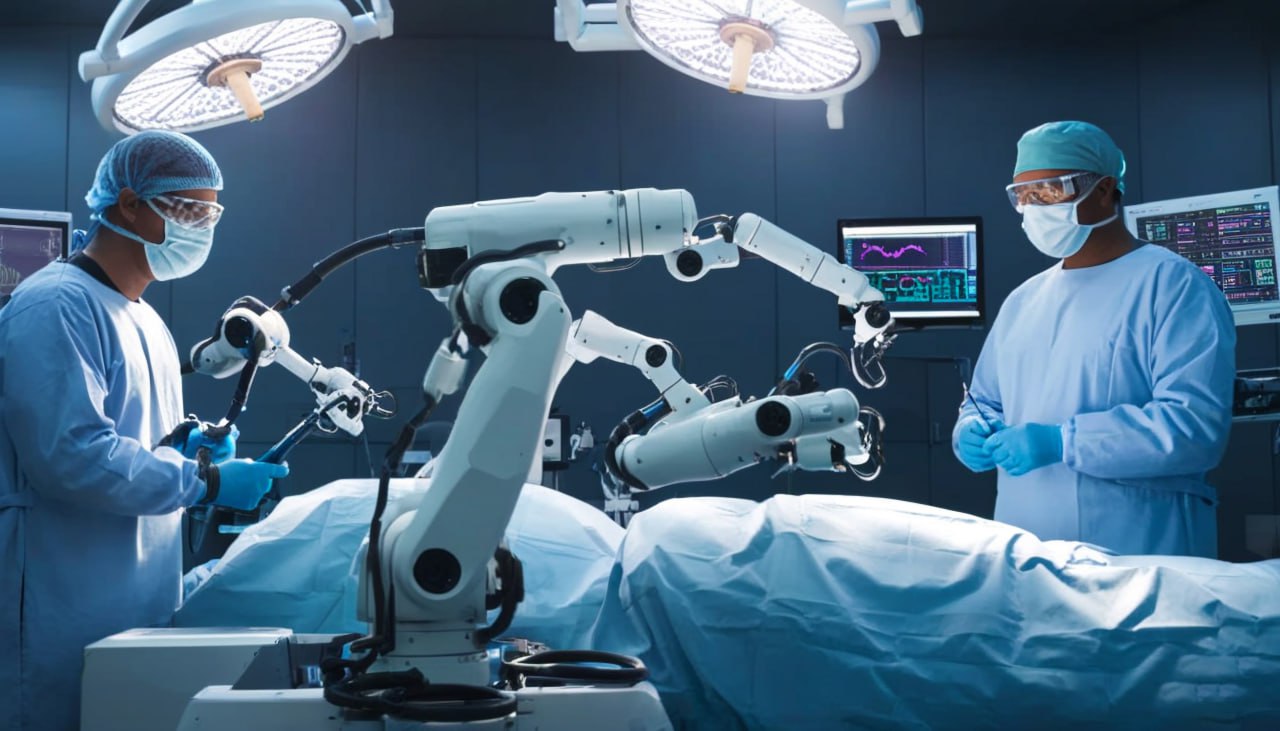
Why Hospitals Need Data-Driven Decision Making in the OR
The operating room (OR) is the most resource-intensive area of any hospital. It drives significant revenue, requires highly specialized teams, and directly impacts patient safety and outcomes. Yet despite its importance, many ORs are still managed with outdated methods—manual scheduling, fragmented communication, and decisions based on intuition rather than evidence.
In today’s healthcare landscape, that is no longer enough. Hospitals must embrace data-driven decision making in the OR to remain efficient, competitive, and patient-centered. By harnessing real-time insights and predictive analytics, hospitals can unlock opportunities to improve utilization, reduce costs, and deliver higher-quality care.
The Case for Data in the OR
Every surgery generates a wealth of information—from case duration and resource use to complication rates and recovery times. However, without systematic data collection and analysis, much of this information goes unused.
When hospitals make OR decisions without reliable data, they risk:
- Underutilization of resources due to poor scheduling.
- Extended turnover times that reduce case volume.
- Higher costs from inefficiencies and waste.
- Variation in outcomes due to lack of performance benchmarking.
By contrast, data-driven decision making transforms raw numbers into actionable insights that guide operational, clinical, and financial improvements.
1. Optimizing OR Scheduling and Utilization
One of the biggest challenges in the OR is balancing surgeon availability, case complexity, and emergency needs. Data analytics can:
- Accurately predict case durations based on historical data.
- Identify underutilized blocks of OR time.
- Recommend optimal case sequencing to reduce delays.
- Highlight patterns of cancellations and late starts.
Hospitals that use predictive scheduling tools often see a significant increase in OR utilization and throughput.
2. Reducing Turnover Times
Turnover—the time between one patient leaving and the next entering—directly impacts the number of surgeries that can be performed in a day. Data tracking allows hospitals to:
- Pinpoint the most common causes of turnover delays.
- Benchmark team performance against best practices.
- Introduce targeted process improvements.
Even a 10–15 minute reduction per turnover can add up to several additional cases per week, significantly boosting revenue and patient access.
3. Enhancing Patient Safety and Outcomes
Data is not only about efficiency; it’s about better care. OR analytics can:
- Monitor complication and infection rates in real time.
- Correlate surgical techniques with patient outcomes.
- Provide feedback loops for continuous improvement.
By comparing outcomes across surgeons and specialties, hospitals can identify opportunities for training, standardization, and clinical excellence.
4. Supporting Financial Sustainability
Operating rooms consume a large share of hospital budgets. Data-driven insights help leaders:
- Track cost per case and resource utilization.
- Measure the financial impact of cancellations and delays.
- Identify opportunities to reduce waste in supplies and equipment.
With margins under pressure, hospitals cannot afford to run ORs without clear visibility into costs and performance.
5. Driving Staff Engagement and Accountability
When data is transparent and accessible, it creates a culture of accountability. Surgeons and OR staff can see how their performance compares to peers, fostering healthy competition and collaboration.
Dashboards and scorecards also empower staff to take ownership of improvements, which leads to higher engagement and morale.
The Role of Digital Health and AI
The future of data-driven ORs lies in digital health innovations such as:
- AI-powered analytics to predict surgical risks and optimize workflows.
- Real-time OR dashboards that track key metrics live.
- Integration with EMRs for seamless data flow.
- Machine learning models that continuously improve predictions as more data is collected.
These tools transform decision-making from reactive to proactive, helping hospitals stay ahead of challenges rather than responding to them after the fact.
Challenges to Overcome
While the benefits are clear, hospitals may face barriers such as:
- High upfront investment in data platforms and analytics tools.
- Integration difficulties with legacy IT systems.
- Staff resistance to adopting new workflows.
- Concerns about data privacy and security.
Overcoming these challenges requires strong leadership, phased implementation, and a culture that values innovation and continuous improvement.
Conclusion
The operating room is too critical to be managed on guesswork. Data-driven decision making equips hospitals with the clarity, precision, and foresight needed to deliver world-class surgical care. By leveraging analytics to optimize scheduling, reduce delays, enhance safety, and control costs, hospitals can transform the OR from a cost center into a strategic driver of growth and patient satisfaction.
In the Middle East and beyond, as healthcare systems strive to balance excellence with efficiency, the adoption of data-driven OR management is not just an opportunity—it is a necessity for the future of surgery.